Feed Machining
Trim Rebuild
Overview:
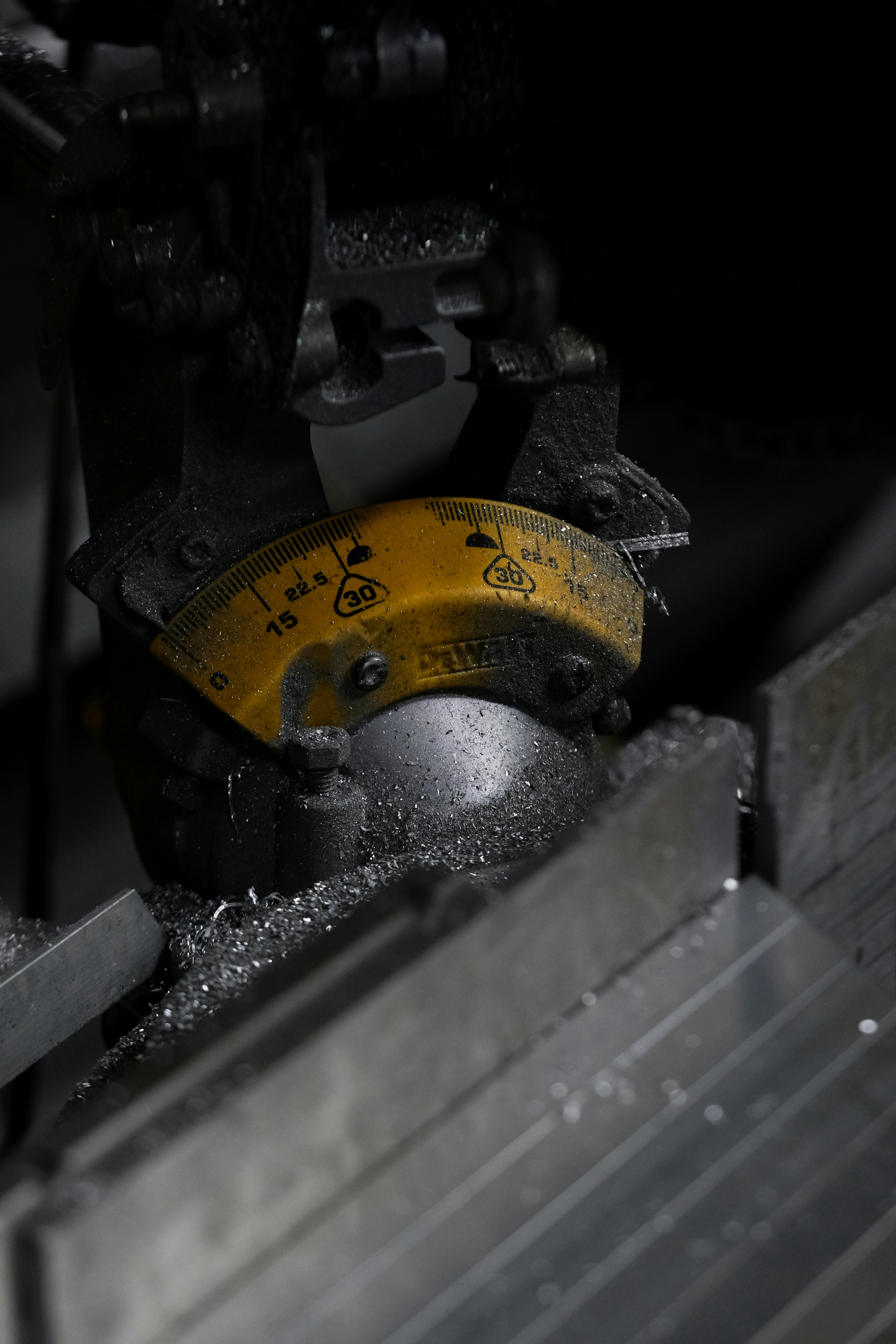
The existing trimming process was identified as a primary bottleneck in overall production flow, with excessive cycle time driven by manual handling, inefficient tool engagement, and non-optimized motion sequences. These limitations reduced throughput and introduced variability in part processing consistency. The objective of the redesign was to reduce cycle time, improve process repeatability, and increase overall production efficiency while maintaining trimming accuracy and part quality.
Approach:
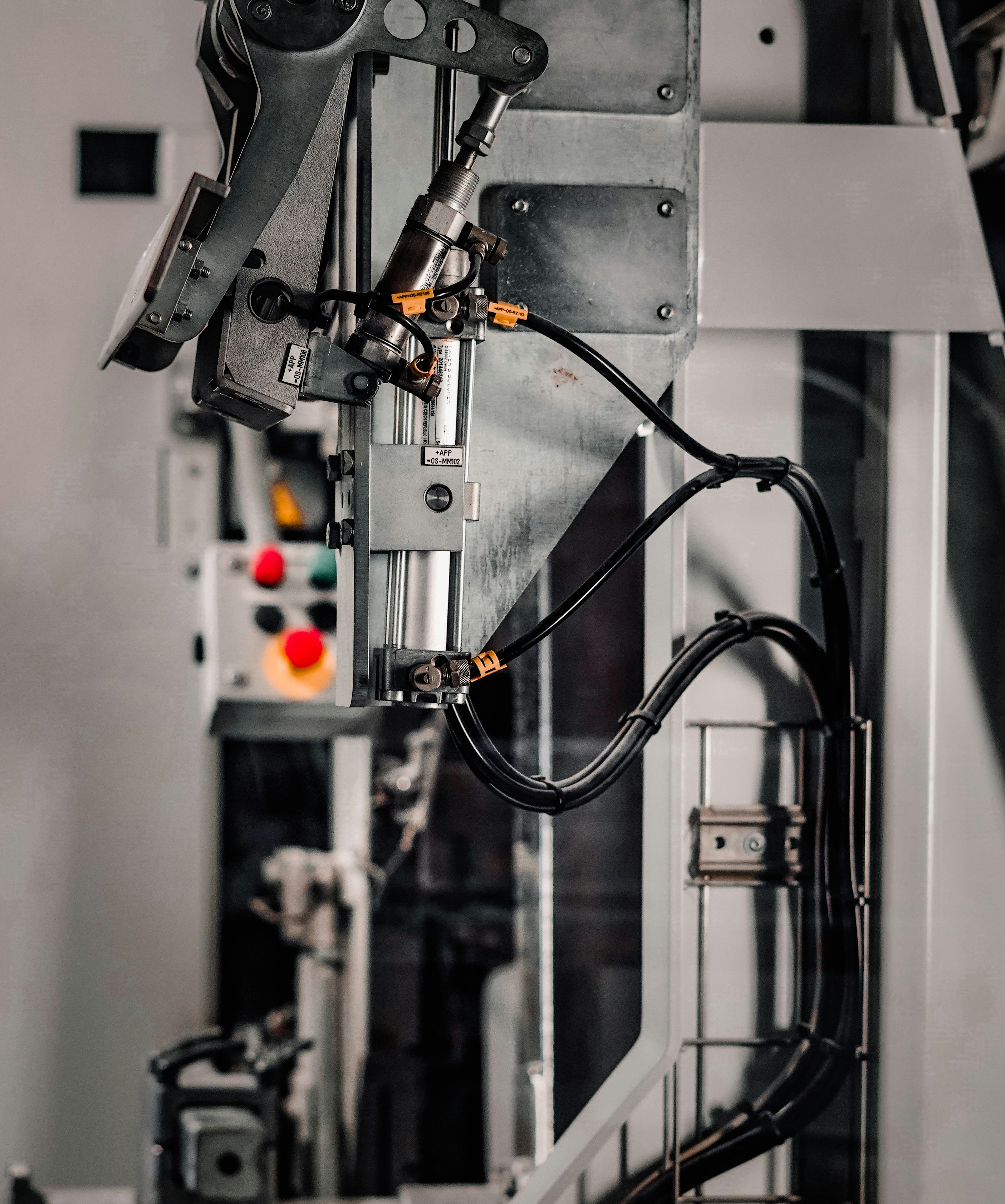
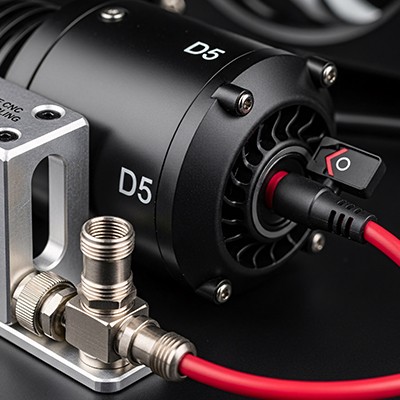
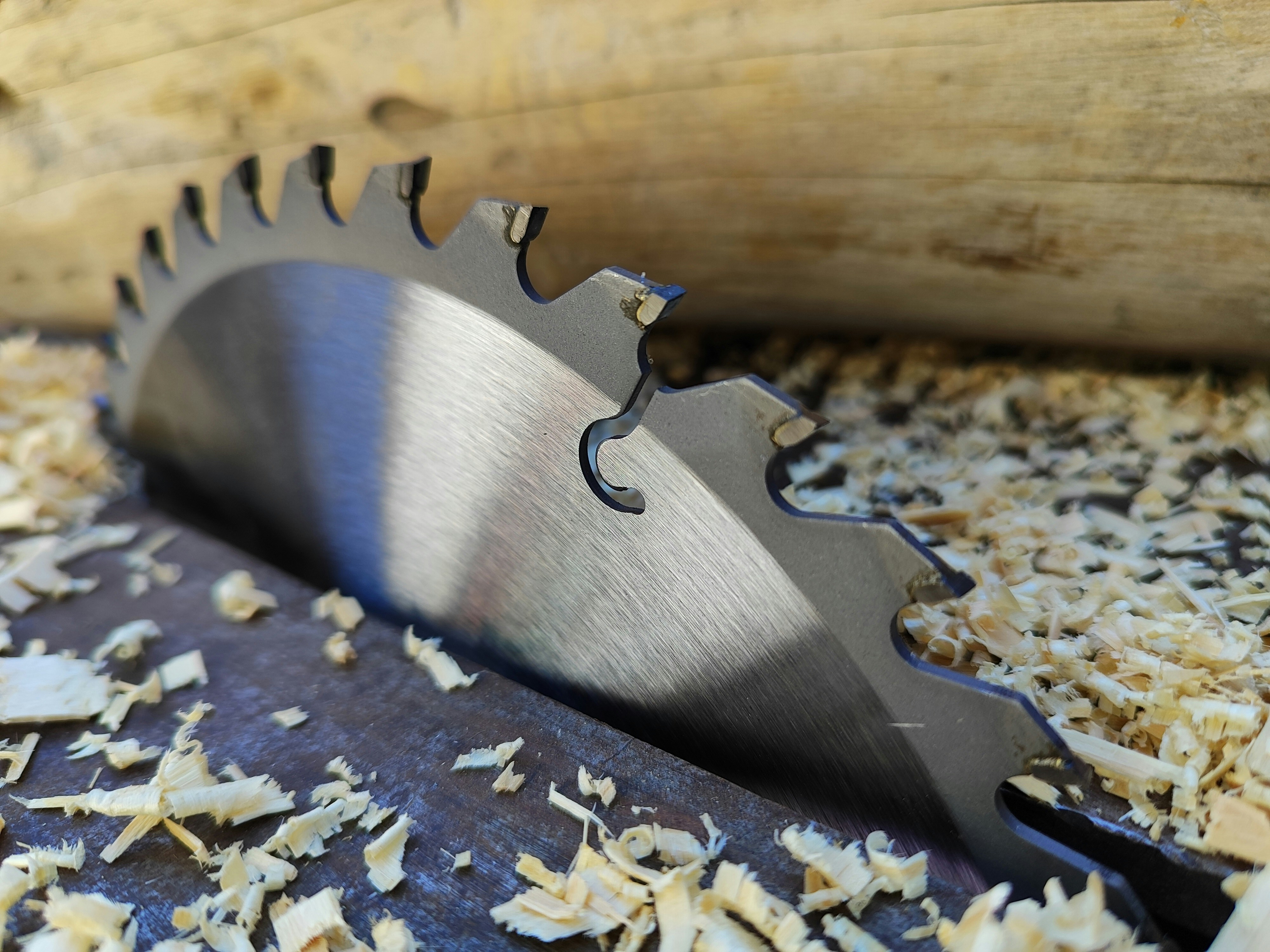
The system was re-evaluated from a full process standpoint, focusing on material flow, operator interaction, and mechanical execution of the trim operation. Key improvements included optimizing tool geometry and actuation method to reduce engagement time, streamlining part loading and unloading sequences, and minimizing non-value-added motion within the cycle. Where applicable, manual steps were reduced or eliminated through mechanical simplification or improved fixturing. The final design prioritized repeatable, high-speed operation with reduced operator dependency, resulting in a more efficient and production-stable trimming process
Technical specifications:
Type: Semi-Automated
Cost savings: Decrease time and tooling wear
Production Volume: Improved from low to medium volume capabilities
Results:
The optimized trimming system significantly improved production efficiency by reducing non-value-added motion and streamlining the overall cycle sequence. Cycle time was reduced, resulting in a corresponding increase in throughput and parts per hour. Improved fixturing and tool engagement reduced operator interaction and enhanced process repeatability, minimizing variation between cycles. The final system delivered a more stable and efficient trimming operation with reduced manual dependency, improved consistency, and higher overall production output.
60%
Decrease in Cycle Time
75%
Increase in Efficiency
20%
Reduction in Operator Intervention